China’s New Tourist Obsession Is a 24-Hour Spa
After a busy three-week work trip in China through Guangzhou and Foshan, Fatou Mbacke was ready to unwind. The 31-year-old content creator and hair-care founder was heading home to Dallas.
There was just one stop left: Yoma Space, which she first discovered on TikTok.
Mbacke arrived late in the evening, around 10 p.m. After finishing work and refreshing with the free high-end skin-care products (Dior, Lancôme), she navigated the dark, maze-like sleeping area to find her bed for the night.
She committed the next day to exploring the sprawling four-floor, 215,280-square-foot spa complex. She soaked in many tubs, took an exfoliating bath, and enjoyed the complimentary lobster, sushi, crab and Peking duck lunch. She was sorry to skip Yoma’s bottomless caviar dinner, but she had a flight to catch.
Yoma Space isn’t a hotel. (She was one of only a few foreigners.) It’s a luxury 24-hour spa — one of many that have become objects of affection, fascination and virality among the growing cohort of travelers headed to China.
According to its National Immigration Administration, China had 21.3 million international visitors in the first quarter of 2026, a 22.3% uptick from the same period the year prior. At the same time, the country’s spa sector has been booming. The 2026 bathhouse report from super app Meituan says the local spa industry is now in its golden decade following a breakthrough on social media in 2025. Indeed, last year the viral Chinamaxxing TikTok trend flourished, marked by Generation Z and millennials adopting Chinese lifestyle and wellness habits such as drinking hot water, eating congee and wearing indoor house slippers.
New-age spas such as Yoma, which display their fusions of relaxation with entertainment on Instagram and TikTok, have only benefited from the attention.
All You Can Eat
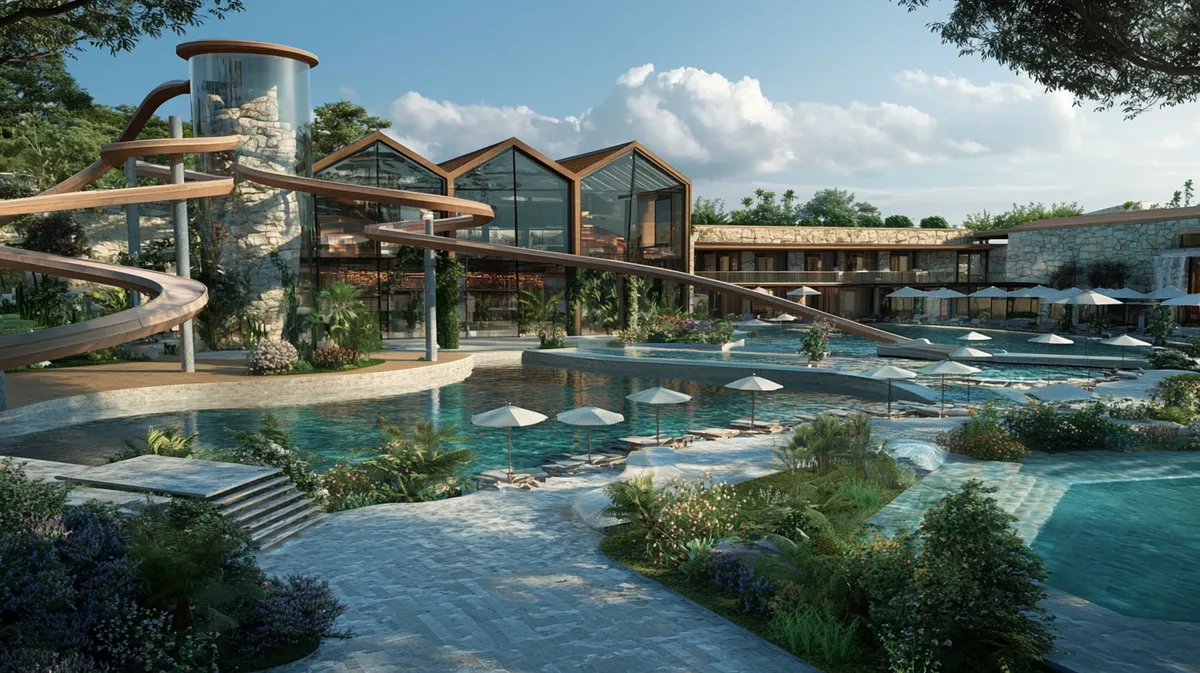
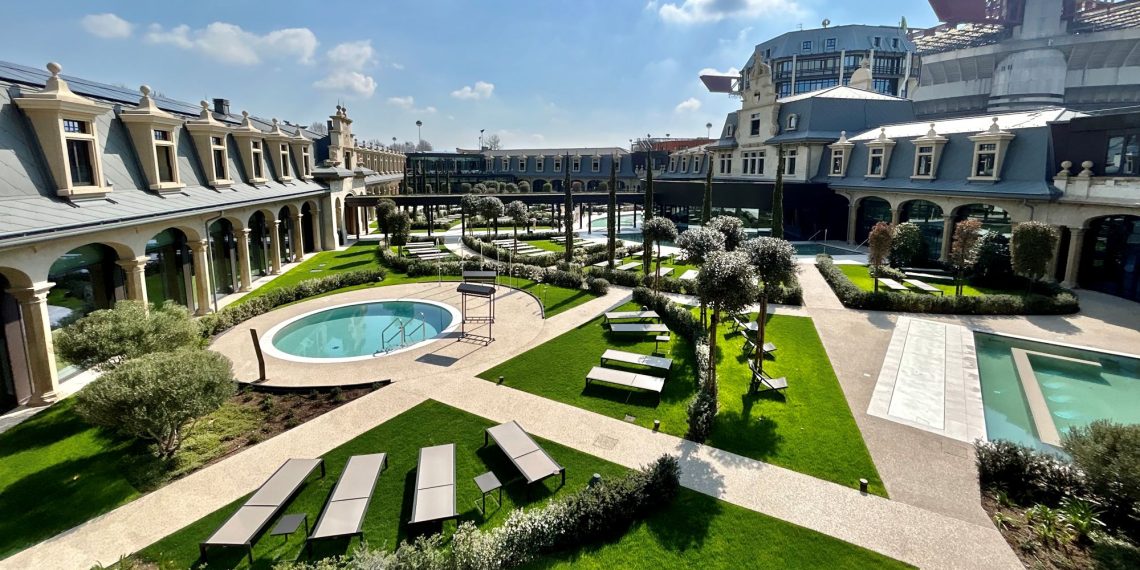
The 700-guest Yoma opened in 2023 with a distinctly luxurious identity by targeting what it calls the “young, fashionable elite group.” Its soaring arched walkways and contemporary, Instagrammable interior look less like a bathhouse perched in Guangzhou, one of China’s largest cities, and more like a celebrity’s minimalist Los Angeles home — if it had a hot spring-temperature soaking pool, 24-hour fruit stations and a PlayStation 5 and Xbox game room.
Take a look at its treatment menu, and you’ll find traditional services such as Sichuan-style ear picking, moxibustion and gua sha. But alongside those, you’ll also find social karaoke and mahjong rooms, sprawling buffets and quiet napping pods. Yoma is as much a place to relax and decompress as it is a social club, a place for friends and family, including children, to gather over food, saunas and games.
The price for a 24-hour getaway? Only 799 yuan (about $119). Guests have access to the spa amenities and all-you-can-eat breakfast, lunch and fruits. Admission also includes a place to sleep — although that’s likely a squishy sofa in a large, communal room unless you pay extra for a private accommodation (although Mbacke noted she felt safe in the shared space). It will cost an additional 200 yuan, too, for the dinner buffet that offers endless sturgeon caviar, Alaskan king crab and Iberian ham.
“You could explain it as an adult cruise ship,” says Leticia Bishop, a 34-year-old freelance makeup artist and beauty content creator in Hong Kong. She’s visited Tenz, a popular 24-hour spa complex in Shenzhen, three times, most recently paying about 350 yuan. Compared with her first visit, she says she’s seen a slight uptick in the number of foreigners there. “Time escapes you. You don’t see outside, and the hours just get wasted away, but it’s relaxing and fun.”
Bishop has a set routine at Tenz, which she first learned about online: She starts with the sauna to relax her muscles before getting a full-body massage. After that, she gets the 45-minute “lobby lounge” massage, during which her head, neck, legs and feet are tenderized while she lies face-up, watching one of the handful of English-language movies in a comfortable bed (among a sea of other beds in the same room). In between these treatments, she’ll sometimes indulge in the complimentary Häagen-Dazs ice cream.
Amenities aside, the virality of these spas could be attributed to their relative affordability. Mbacke says she paid 599 yuan or a 12-hour pass to Yoma. To compare, her stay at the nearby DoubleTree Hilton hotel, which didn’t include complimentary around-the-clock food and spa amenities, was 336 yuan per night.
Even then, Yoma is considered more expensive than other competitors. Fellow ultraviral 24-hour spa Qianshen costs 296 Chinese yuan when booked on Dianping, China’s version of Yelp and Groupon.
When Su Shen Ooi visited, she recalls paying about $40 to $45 for entry. For the 24-year-old student at Peking University, Chinese wellness isn’t a fad. She says she grew up going to Chinese spas and massage rooms in the US and UK thanks to the Chinese, Singaporean and Malaysian background of her parents.
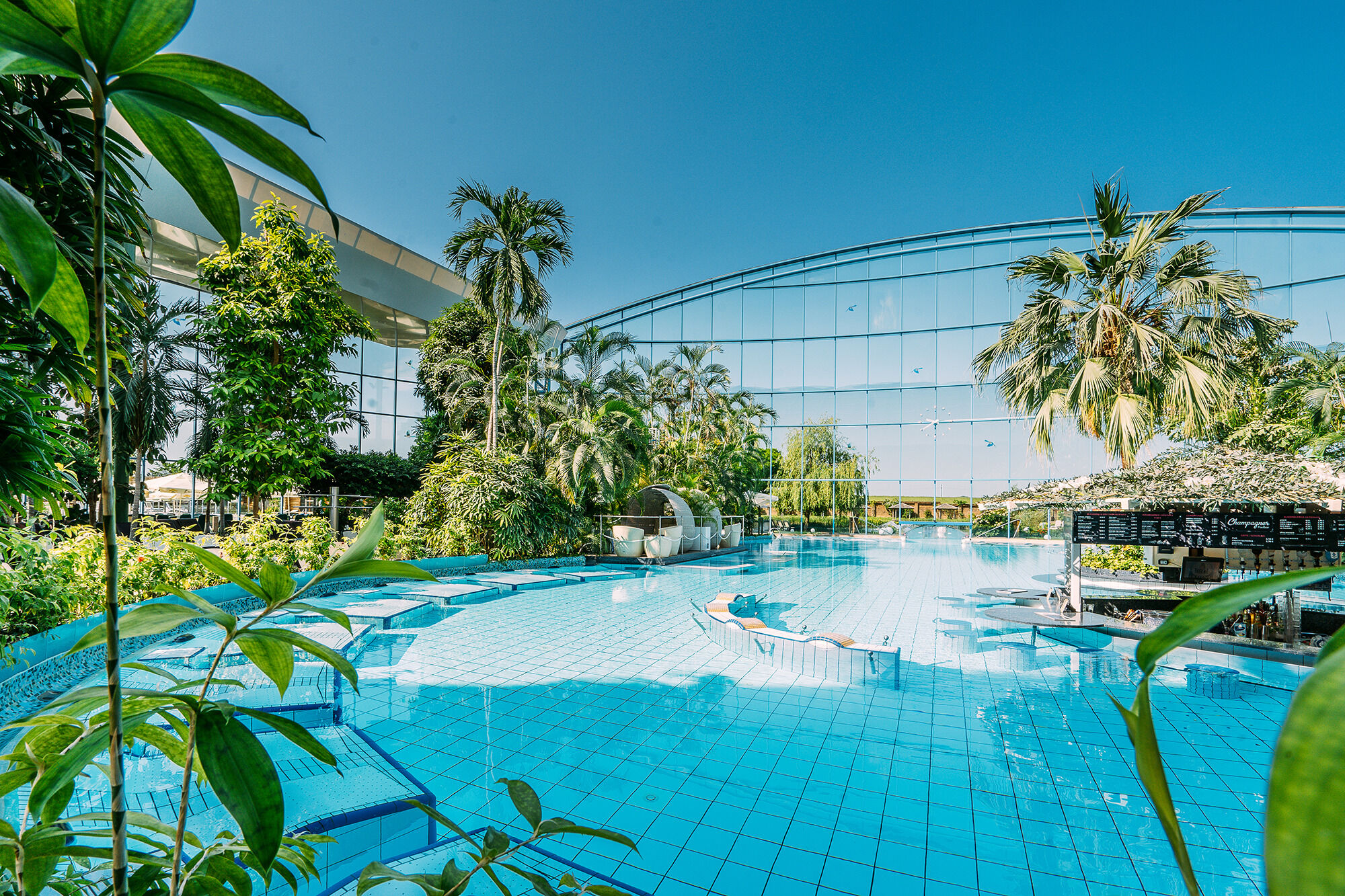
Qianshen, a playground of warm baths, luxury food and entertainment, exceeded her expectations. “I’d never seen that many hot pools in one area in my life,” she says. Ooi was partial to the heated pools, especially the one infused with traditional Chinese herbs, and the heated room full of warm rocks to lie on.
These massive new venues have indeed come a long way from the utilitarian bathhouses of centuries past, which began more modestly as places for people to bathe and socialize. These days, many of them are co-ed, with swimwear-required spaces for men and women to share.
Ooi went to Qianshen in early 2026, during the low travel season, and was surprised to see several foreigners, many of whom looked like solo travelers. “I have heard in the summertime, it’s way more foreigners,” she says.
Going Viral
PandaStroll, a Chinese travel agency that started in September 2025, began listing Qianshen and another viral Chengdu spa, FuFu, two months later. Since then, the agency’s international bookings have grown steadily, with a noticeable spike in early 2026 coinciding with a slew of viral videos, says PandaStroll founder Xiaodeng Chen.
In 2025, PandaStroll had between 50 and 100 bookings per month. Now, it’s roughly doubled, with bathhouses making up about half of its bookings. During peak days in April and May, Chen says, PandaStroll had more than four 24-hour bookings per day.
Many of these travelers visit from Western and other Asian countries. But according to Chen, almost all of them share three traits: They heard about the spas on social media, they all “want to try the local lifestyle,” and they’re mostly under 30.
Of her visits to Tenz in Shenzhen, Bishop noticed it getting busier in the afternoon, with more groups of families and friends coming in, locals she figured lived and worked in the area and earned an average wage. “This one is probably a little bit expensive for them, but for us as a Westerner, or even just as a tourist, it seems super affordable and a great deal,” she says.
Yoma began establishing its international booking platforms in late 2025, primarily through popular Asia-based travel platforms Trip.com and Klook, a Yoma spokesperson said in an email. From December 2025 to May 2026, the bathhouse had about a 200% increase in bookings through these channels. (The spokesperson declined to state exactly how many visitors this figure translated to.)
“The growth trend from overseas channels has been significant,” Yoma’s spokesperson says, crediting it to increasing international travel to Guangzhou and viral Instagram, YouTube and TikTok videos about the spa.
Yoma expanded its spa complex by 53,820 square feet in May, adding features such as a new restaurant and a children’s playroom. It’s now discussing plans for new locations.
“Next time I go, I’ll do five days in there,” Mbacke says.
|消息来源:https://www.bloomberg.com/news/articles/2026-08-21/china-s-luxury-24-hour-spas-offer-caviar-and-relaxation-to-wellness-travelers