South African Botswana President Duma Boko recently said at several events in New York that the natural diamond market is seeing a "recovery." Diamond producer De Beers Group CEO Al Cook is equally optimistic, saying that diamond prices are rising and demand is stabilizing.
Data provided by Edahn Golan, managing partner of jewelry industry consultancy tenoris.bi, also corroborates the judgment that diamond prices are rising.
In August this year, prices of large-carat natural diamonds (1 carat and above) rose "significantly," up 3%⁓4% month on month. The only exception was the 2-carat diamond category, though on a year-to-date basis, prices for this category have also risen. Prices of small-carat diamonds (below 1 carat) also began to recover earlier this year; although prices did not rise month on month in August, they are expected to move higher in September.
Compared with the same period last year, diamonds of 3 carats and above performed "exceptionally well"; apart from these, prices for the vast majority of diamond categories remain below year-earlier levels.
Edahn Golan said the market continues to show polarization—lab-grown diamonds are gaining appeal in the lower-priced market, while natural diamonds are benefiting from a strong high-end market.
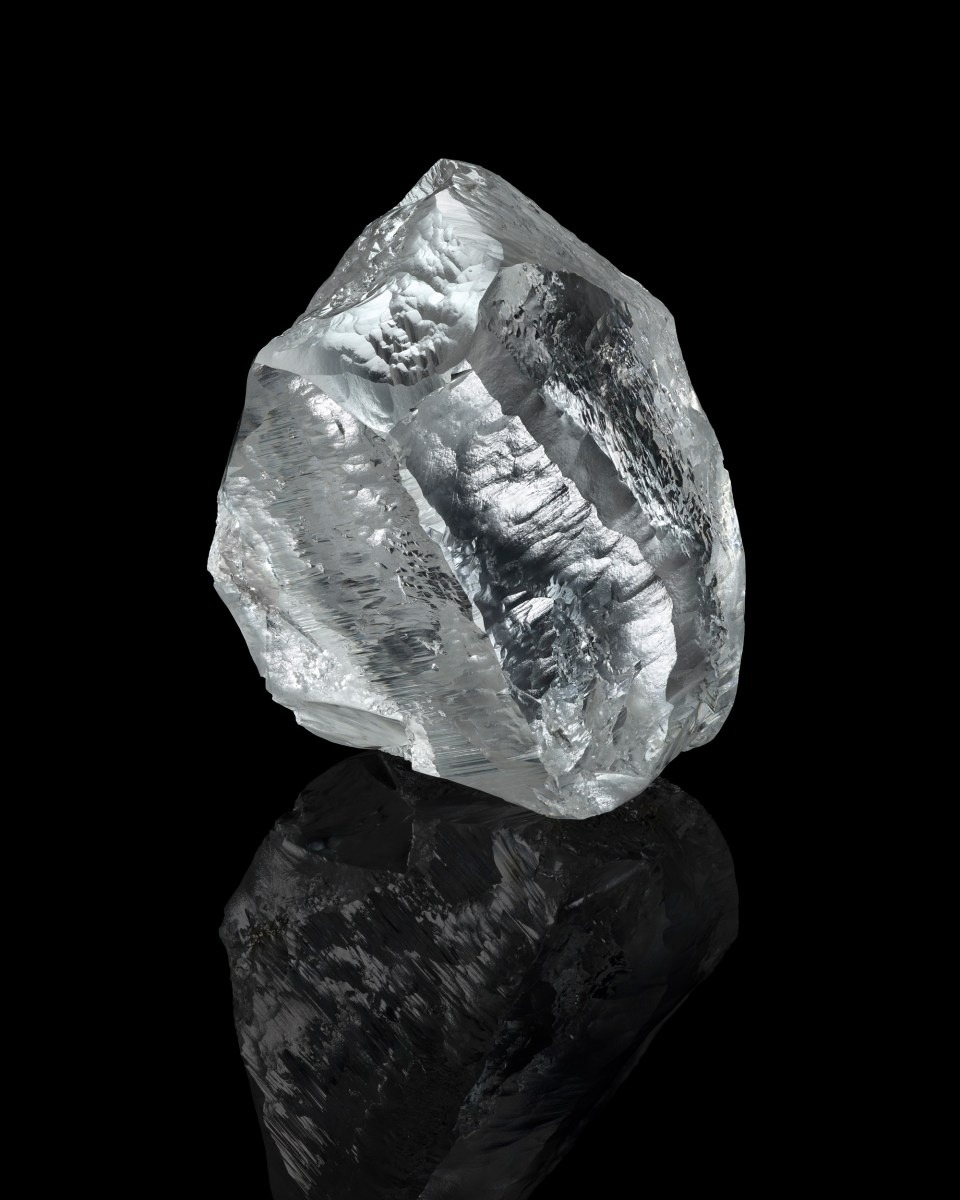
In 1969, the Botswana government and De Beers Group established the joint venture Debswana Diamond Company, with each side holding 50% since 1975. Over nearly five decades, the partnership has mined a cumulative 708 million carats of diamonds.
The Botswana government initially traded with diamonds from Debswana's inventory and acquired a 5% stake in De Beers Group in 1987. In 2001, after De Beers Group was privatized, Botswana's stake rose to 15% and has remained so to this day.
In early 2025, the two sides signed a ten-year rough diamond sales agreement for Debswana and extended the mining license by 25 years.
Botswana's development and economy are inseparable from natural diamonds. In his speech, Duma Boko recalled: "Sixty years ago, most of Botswana was desert, with almost no infrastructure and only about 3 miles of roads. Then diamonds appeared, and the revenue they generated was invested in schools, roads, healthcare and education.
"But not long ago, the situation reached a turning point, and the diamond industry encountered severe challenges and headwinds, plunging Botswana into a deep sense of gloom." About a quarter of Botswana's GDP depends on the diamond industry.
He acknowledged that youth unemployment in the country remains high, the healthcare system is under pressure, and schools urgently need renovation, but he said diamond demand is "picking up" and the diamond industry will create more jobs and attract more cooperation opportunities for the country.
In the new presidential election, Duma Boko advocated promoting economic diversification, but Botswana is also seeking to further enhance its presence in the diamond industry.
On the one hand, he sent a signal to the world: Botswana can offer a safe, stable and predictable investment environment. Botswana has previously stated its intention to acquire De Beers Group in full; after the company finalizes a preferred acquirer, the Botswana government still holds a right of first refusal. Negotiations are currently ongoing.
Botswana Minister of Minerals and Energy Bogolo Joy Kenewendo said at the event that Botswana wants local companies to participate more in the diamond supply chain and to expand diamond cutting and processing within the country.
"Botswana is not content to be merely a diamond mining location; we want to participate in shaping—and will certainly shape—the world's perception, value assessment, design, marketing and consumer experience of diamonds."
Related reading from LuxeCO:
- Botswana Government Intends to Acquire De Beers Group in Full
- De Beers Group and Botswana Government Renew Agreement, Sign Ten-Year Rough Diamond Sales Agreement
|Source: National Jeweler, De Beers official website, historical LuxeCO reports
|Image source: Natural Diamond Council official website
|Editor: LuxeCO